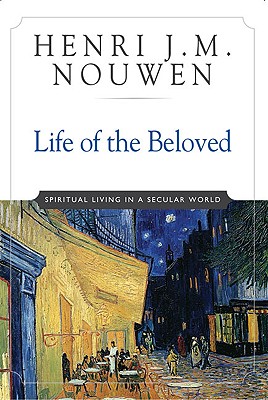
Recently, our Life Group at church did a study of the book, Life of the Beloved, by Henri Nouwen. It is a fantastic book and worthy of its own in-depth review, but this post is more about how the book was taken by the man it was actually written for, Fred Bratman.
Henri was challenged to write the book by Fred Bratman, who is a secular Jewish man, to explain the Christian spiritual life without relying on spiritual language. So Henri got busy writing trying to explain his faith and belief in Christ to his friend in letter style in the book.
In the book, Henri argues that most people spend their lives trying to be worthy of love, and that God’s love is not something we have to earn, but merely accept and live within that truth. Ad amazing as that truth is, the whole message of the book failed in Henri’s motive.
We were ending our study, and I was curious, did the book succeed in convincing Fred that Christ loves him and that he should accept the free gift that God offers to everyone? Did the book succeed in convincing Fred that he is in fact beloved? As far as I can tell, no.
From what I could find, when Henri finished the book, Fred read it and said that it was still too religious and didn’t really communicate to the secular people it was apparently written for. Henri died on September 21st, 1996 at the age of 64 and for all his effort in writing this book, it failed to convert his friend. He died a failure in this task, or so some may believe.
As a writer myself, I often wonder if my writing will succeed in a way I think is meaningful. Now, not all my writing is meant to be meaningful. Some of it is just for fun, The Pillar of Smoke series comes to my mind; something that is just for fun. However, some of my other writing is meant to give an impact, like Prayers from the Valley, or Men of Valor.
However, like Henri and this book, God often has plans for our failures. Life of the Beloved has apparently sold over 200,000 copies world-wide. Henri’s books in total have sold over 7 million copies in over 30 languages throughout the world. His impact on the world and for Christ is beyond understanding. This book didn’t reach his friend, but it has reached so many others. God used his “failure” to impact His kingdom for the good.
So often, we look at our failures or non-successes (thinking of my own writing) and how disappointing it is. But God can use our failures. My father tells a story where he witnessed to someone recently and walked away feeling like a failure. He had “failed” as leading the person to Christ. He was asking why God had led him to witness, when the result was failure?
In speaking with him, I tried to give him insight into the very idea we are talking about today.
I said to him, “You don’t know how God will use that conversation. For all you know, this person will make fun of you, speaking their children about the crazy man who tried to convert him. Those children may realize what was said in love and turn to Christ because of how their father responded to you.”
God uses our failures, even if we never see the results. God uses our worst efforts to His ultimate good! He is able to accomplish more than we can ever imagine with our complete failures. Our failures are His glory. Trust in Him.
For several years now, I have been slowly writing down every memory I have. I have been trying to make a complete timeline of my life up to the point where I am now. Its not been easy. I find memories continue to float back into my thoughts. Here recently, I have been getting nostalgic about movies, TV shows, and videogames I remember experiencing and trying to find them. Some of them are fun memories, but others were… odd.
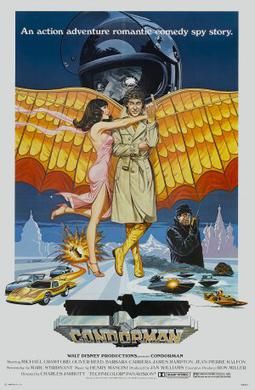
Some of those are easier to find than others. For example, Condor Man, a classic Disney movie from 1981 that stared Michael Crawford was always a movie I went back to as a kid.
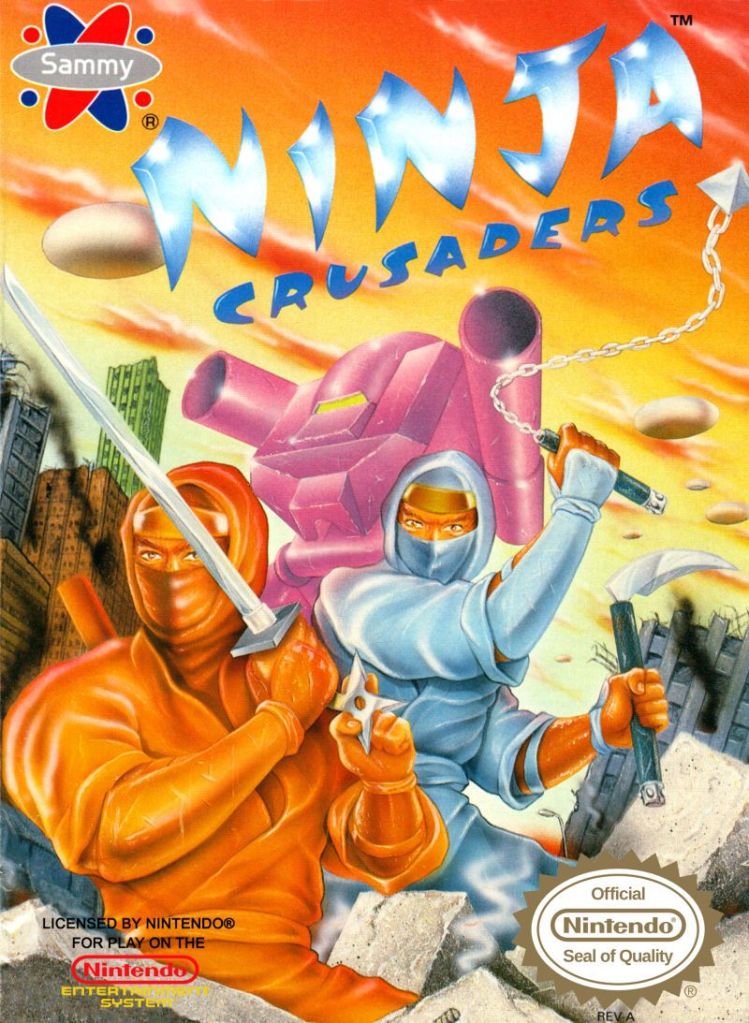
However, there were other experiences that were harder to nail down. My dad picked up a family on the side of the road that were broken down with two little boys my age. They stayed at our house for the night and the two boys brought a NES game with them.
We played for an hour or so before bed and by the morning they were gone. All I remembered when looking back was that you were a ninja who could transform into animals. It took some googling to discover the name of the game was Ninja Crusaders on the original Nintendo Entertainment System.
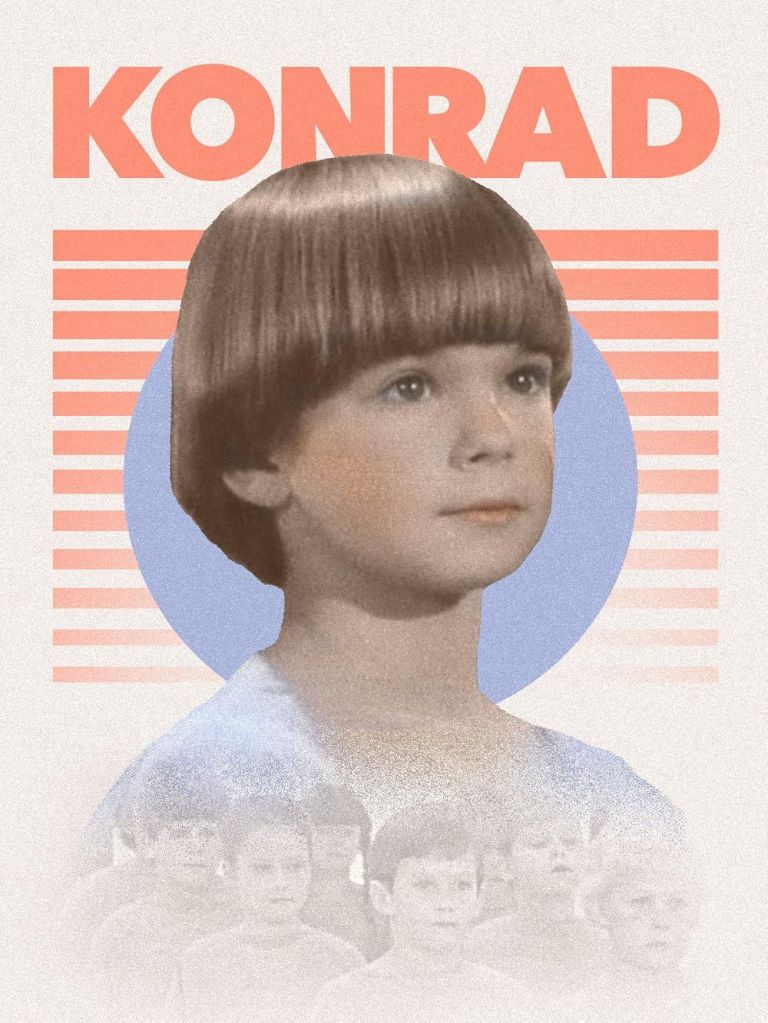
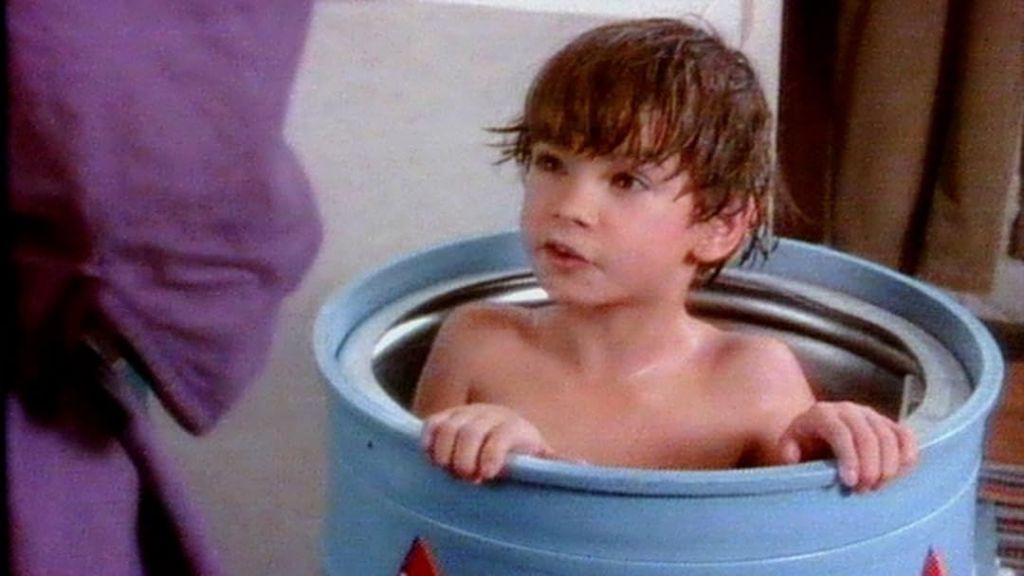
Now to the reason Im writing this article. When I was young, we had one tv in the house. It was down stairs in the basement and it got four channels, 3,8,11, and 13. There’s a possibility that we got more, but those are just what I remember. The movie I remember was apparently shown on PBS in WV during the early 1980s, but from what I have read, PBS was on channel 33 in Charleston during that time. So, in reality, I’m not sure what channel this movie was on, but I remember it clearly. What I rememeber, was a little old woman who receives a mysterious crate in the mail. Upon opening it, there was a little boy inside who wasn’t quite human. I remembered him as being a bit like a robot.
The movie was called Konrad. It was a made for tv movie feom 1985. It stared Huckleberry Fox as Konrad (the strange little boy) and Polly Holiday as Berti (the kind old lady). As a child, I rememember the opening minutes of the film and was deeply disturbed. I recently showed it to my own kids (13 and 16) and they agreed, it was really weird and creepy. Feel free to watch the full movie if you like below, but honestly the first 10 minutes is enough to see what I mean.
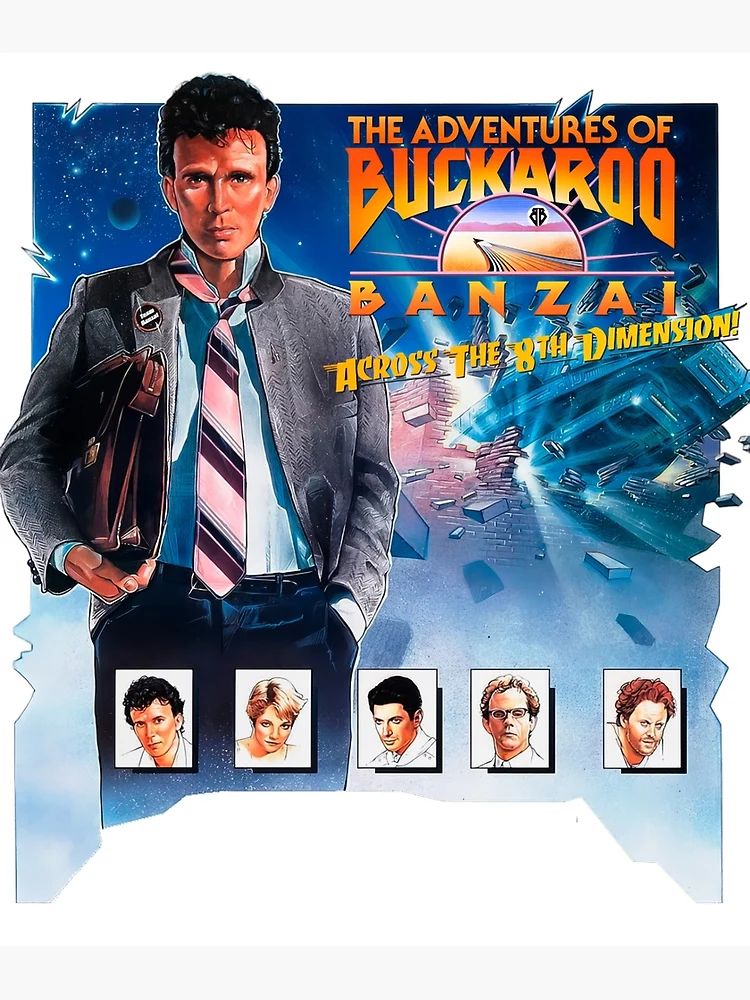
The 2nd movie that really messed with me as a child was The Adventures of Buckaroo Bonzai Across the Eighth Dimention. What I remember watching was a scene from the very beginibg of the movie. Buckaroo is driving a rocket car reminiscent of the car from Back to the Future. He gets teliported to the Eighth Dimention and when he returns there is a goopy alien ball stuck to the bottom of his car. I dont remember anything else from the movie back then.
Now, that mught be the end of what I rememeber, but that is certainly not the end of that movie. I recently watched the whole thing and it is both absolutely terrible, beyond weird, and not worth your time to actually watch. I would also like to mention that it took me years to discover what this movie even was. Chat GPT had a really hard time helping me discover both this one and the Konrad movie.
This is something that has really bothered me for years, but has been fun discovering these lost memories from my past. Even though these memories don’t hold anything really that special, remembering them from a child’s point of view is interesting. Like seeing a ghost when you were a kid and remembering how scared you were, but thesebare ghosts you can rediscover and reveal them for the smoke and mirrors they really are.
Link to the trailer for Buckaroo Bonzai linked below:
Experiences as a child are like that at times, mythic and large. You remember the path through the woods that seemed to go on forever with the huge cave at the end of it. When you return as an adult, the path is just a little over fifty meters and the “huge cave” is just a small overhanging rock. This is why I like writing down my memories. It preserves the mythic perspective. I wrote a story down once about a snake that lived over our swimming hole when I was a kid.
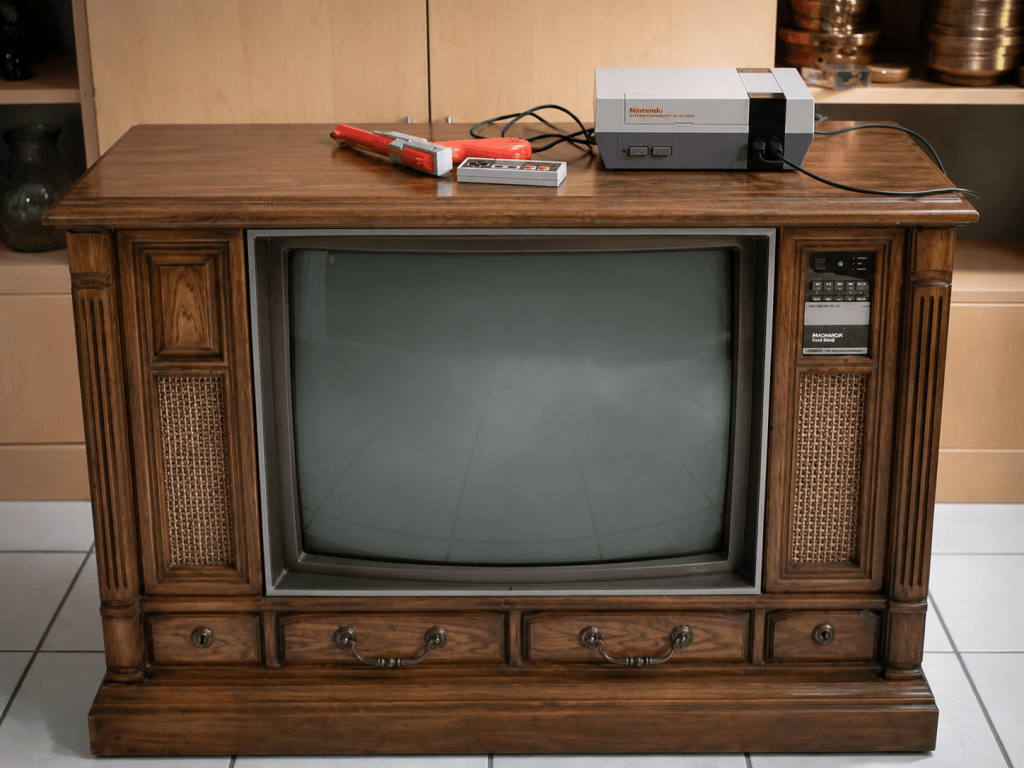
I always swore this snake was at least twelve feet long and as thick as my arm. I wrote it down as such. Besides, I was like ten years old when I last saw this creature. In speaking to my cousin who was about fourteen at the time, he informed me it was more like six feet. I like my version of the story. The memory of a twelve foot black snake throat protected our swimming hole is a lot more fun to tell. Sitting alone on the carpet in front of our large wood paneled Magnavox CRT.
My memory of a strange robot boy being delivered in a crate and a man finding an alien blob ball under his car is a lot more fun than the movies themselves. That’s how childhood is; bigger than life. Full of new and amazing experiences. Even time spent on front of the TV that only had three or four channels at the time could live on in my memories. I often wonder how many of these kind of memories lie dormant in other people’s memories. They might remember them from time to time, but never share them with anyone else. Welcome to the back room of my mind; it’s a really messed up place, and I love it.
So, when I was a kid in rural West Virginia, our public school lunch rooms always had pickled baby corn. It came in one of those 108 ounce cans. I have tried to find whatever brand that might have been, but alas, I think they dont make it anymore. That said, I have found buying normal canned baby corn, de-canning it, pickling it at home, and then recanning it works very well. This is so simple and so delicious!
Vegtables:
6 cans of 15 ounce baby corn, drained.
Optional: Jalapeños, 1-2, depending on wanted heat level. Substitute habaneros if you want it spicier.
Brine:
2 cups white vinigar
2 cups filtered or bottled water. No tap water, makes the veggies not as crisp.
4 table spoons kosher or pickling salt.
Fresh dill, if wanted.
4 table spoons of mixed pickling spice or just a mix of whole black peppercorn, mustard seed, dried dill seed, bay leaves, coriander, etc.
Boil the vinegar, water, salt, and spices together.
Equiptment:
78 ounce canning jar.
How to make the pickled baby corn:
Open and drain the cans of baby corn.
Pack the corn and jalapeños into the jar, leaving a small space at the top of the jar.
Add any extra dry spices or fresh dill to the jar.
Add the boiling brine to the jar, making sure it covers the vegetables completely, while also leaving a small amount of space at the top before the lid is placed.
Let cool on the counter and then transfer to the fridge for at least two days before eating. Waiting a week will intensify the flavor further.
Enjoy.
Affiliate Links to products I have used for this recipe!
The World of Pillar is the larger moniker I have given to what I assume is going to be a trilogy of books. The first of these has been given the title The Gunslinger and the Beast, with the next in line being titled The Mamon Engine. It might seem odd at first that I know the first two books’ titles, but oddly enough, I am more sure about the second book’s title than I am the first. That is because, currently, the second of the books is nearly done, and the first is about a third of the way done. In the beginning, these first two books were just one volume. However, after hitting just over 110,000 words in the book, I decided it might be better to split the story into two and allow each of the two main narratives to breathe a bit more on their own.
The current plan is to finish this first story and publish it, followed by finishing up the second and publishing it. After those, the third story will combine characters and storylines from the first two as the main story arc concludes. Below, you will find some of the notes on the story and the world I have been playing with. Enjoy this look into the creative process I am working on.
I have long been a student of the fantasy genre, and many of the classic and modern writings have entertained me for years. When I was in my undergrad, I started reading The Wheel of Time by Robert Jordan and later finished by Brandon Sanderson. It took me years to actually finish the series, not only because it wasn’t finished being written yet, but because it was a very thick tale to move through.
I love Jordan’s fantasy world! While I could never hope to write something on his level, he inspired me greatly. One of the things I loved was how much of Randland’s past had been forgotten. Jordan let bits of it slip through in prophecies and histories, and half the fun was putting those pieces together.
When I sat down to write Pillar, I wanted readers to be able to piece together some of its history for themselves. The map was one of the first tools I used to work out the world. I made my own rough version and later had an artist draw it up.
Maps and Other Drawings:
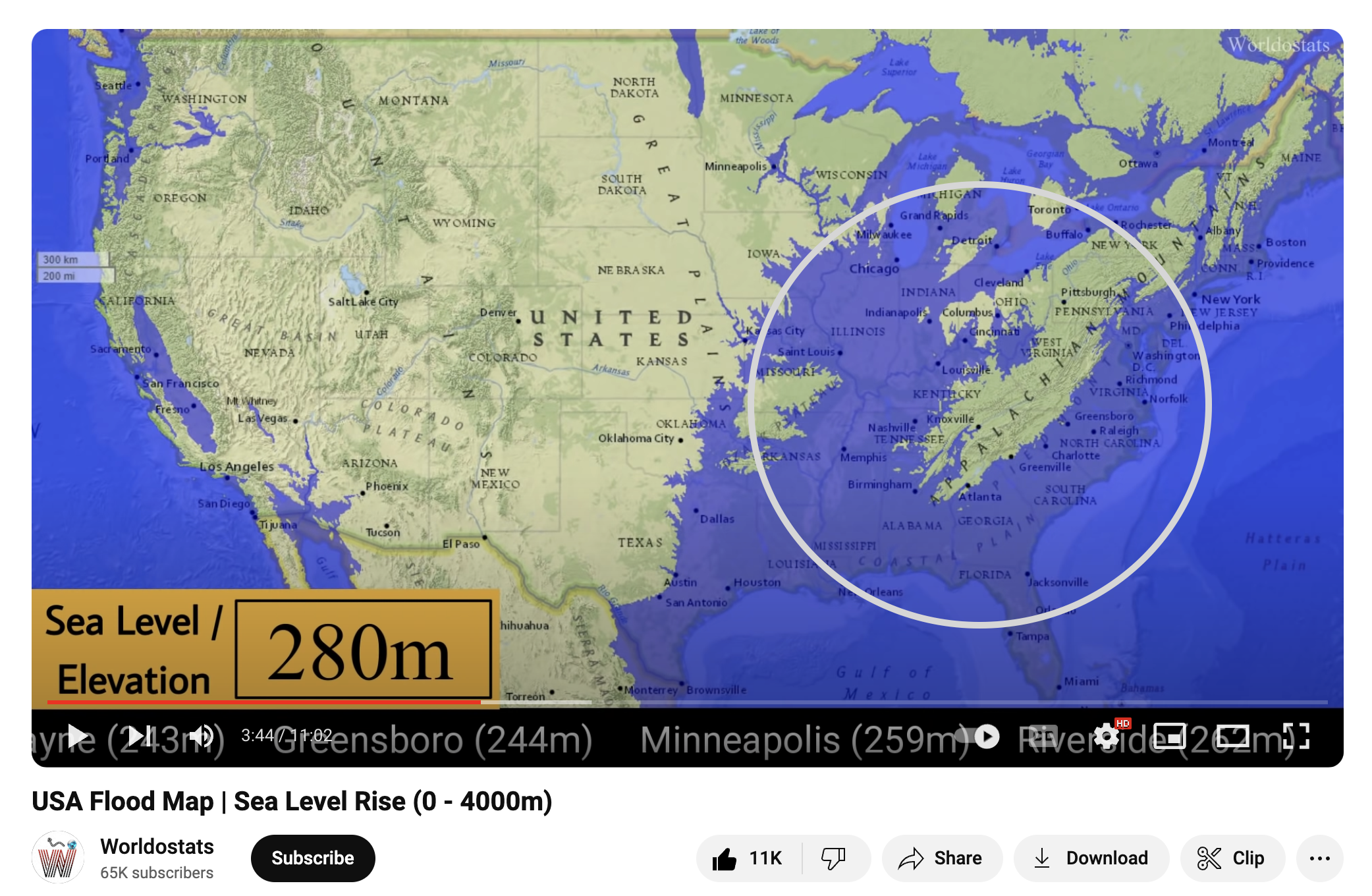
The map of Pillar was created using a flood map from the YouTube channel called Worldostats and their video titled USA Flood Map | Sea Level Rise (0-4000 meters). I paused the video when the sea level reached 280 meters. I’ve circled the shape I used as a starting point for the plateau.
YouTube video from Worldostats, that I paused to create my first map.
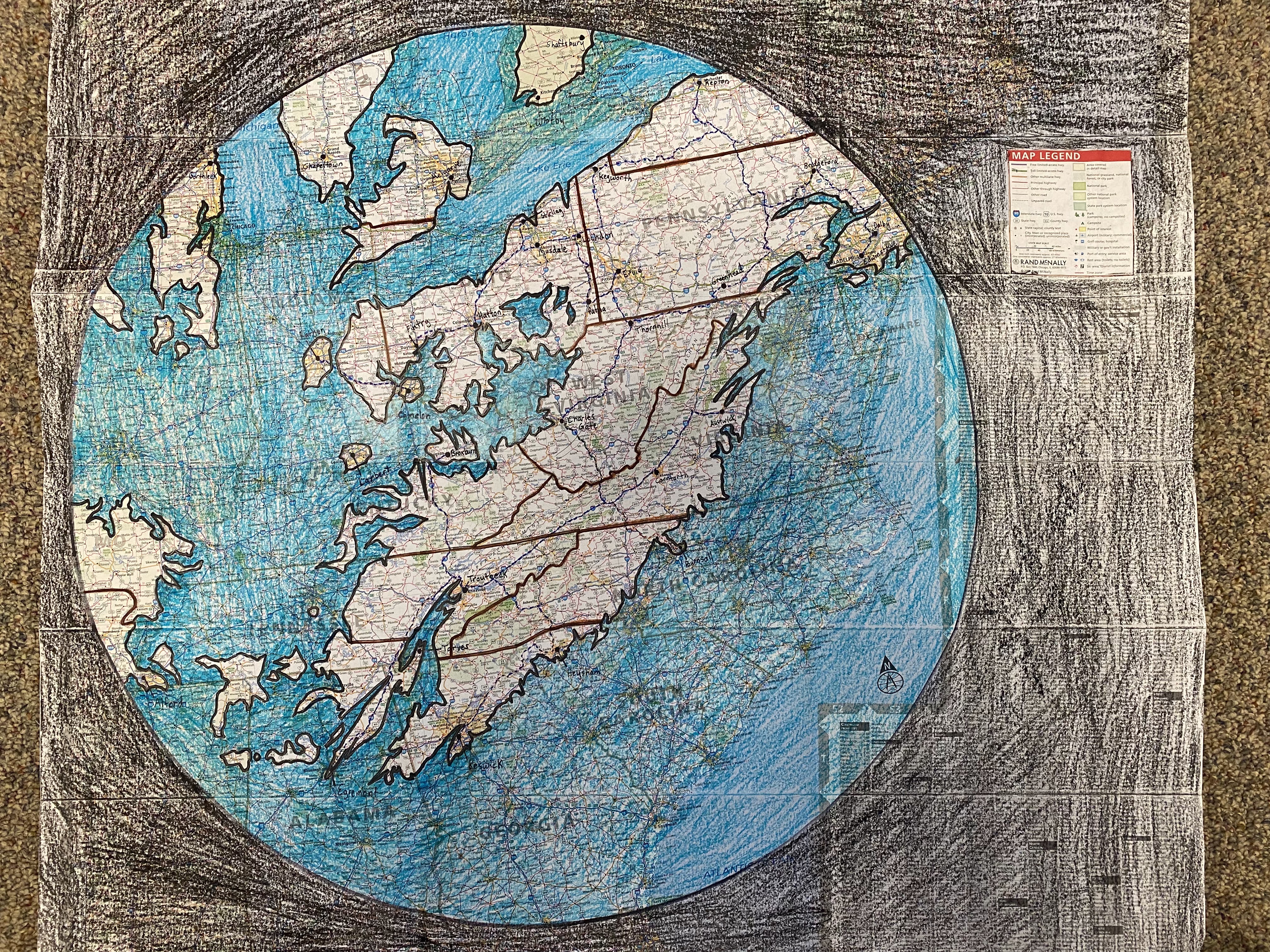
I actually laid a piece of tracing paper over my laptop screen to trace the general shape of this map onto paper. Then, once I had the general shape, I bought a full-size map of the eastern coast of the United States and began coloring. In an evening or two, I had a rather large map that I could use to really look into the details of travel and areas that I could play with. It’s interesting to me that with a couple of crayons and a cheap map from Amazon, one can give life to a world that is as vast and intricate as The World of Pillar. Here is that map.
The real world map that I destroyed to create a full-size map of Pillar.
This map hangs above my table downstairs in my basement, where I have written most of the story. Other pictures are hanging in the same place. I photocopied pictures from historical texts from when I was still in college, and other things. There are character sheets and timelines, as well as other drawings of armor, weapons, and even flying ship floor plans.
The folding table in my basement is surrounded by my maps, drawings, and ideas. This is where I do a lot of the writing for my books.
Where did the story come from?
When I was back in college, I had two fantasy stories in my head. One of them was a grand fantasy that would take place on top of a huge pillar up in the sky. I was inspired by the video game Chrono Trigger and the Kingdom of Zeal in the Antiquity timeline. I loved that idea of a place separated from the rest of the world, up in the sky. The other story was a much more personal and down-to-earth fantasy that involved animals in a time far in the future when there were no more humans. This story was going to feature mainly dogs, but also other animals like deer and cats.
In the end, I took both ideas and combined them into a single world and story. The dogs, of course, remain, and the use of other animals as well, but I have chosen to place them into a more far-reaching story in which the rise of a giant plateau has reshaped the world. When the ideas were still new, I first envisioned a female protagonist who was a magic user but never aged beyond twelve. I wanted to play off the idea that wizards were usually frail in physical form but powerful in magic, and using a young girl played into this idea nicely. However, the more I got into the story and started really detailing some of the plot points, the more I got uncomfortable placing a young girl in some of those situations.
I split that character into two separate characters. Thus, the characters of Christoph and Meshiah were born. At the beginning of my writings, Meshiah was a human throughout the story. Still, the more I wrote about her and Schalk (a Brown Dog), the more I really wanted their relationship to be able to blossom into something more than just a friendship. While interspecies relationships are mentioned as being a thing in the world, I didn’t want to directly tackle that sort of ethical difficulty in the main storyline. As such, allowing Meshiah to be changed into a brown dog species in the beginning created a fun narrative beat and also a direct connection to Schalk as a romantic interest in her new life.
Meshiah and Schalk. I commissioned this picture before I switched her to being a Brown Dog.
The Magic of Creativity:
Magic has captivated me for as long as I can remember. As children, we all dream of possessing powers beyond our reach. I recall a neighbor friend standing on a tree stump, arms outstretched, convinced she could feel herself lift off the ground. She’d rise onto her toes, only to “lose it” and fall back down, claiming she just needed more practice before she could truly fly.
I believe this longing for the fantastic is hardwired into us. Yet, as we grow older and reality settles in, many of us lose touch with that wonder. It’s a tragic loss, really. But there are still moments when we allow ourselves to indulge in that innate desire for magic, like when we become emotionally invested in a great movie, a compelling book, or a great video game.
Take Old Yeller, for example. (Fair warning: spoiler ahead, though the Disney film is over 65 years old, and the book is even older.) In the story, a frontier family faces hardship when the father, Jim, leaves to sell cattle, entrusting his son, Travis, with the responsibility of the household. During Jim’s absence, Travis meets an old yellow dog who proves his worth by saving his younger brother from a bear. Though Travis initially dislikes the dog, their bond grows strong, and eventually, he loves the dog.
At the story’s heart-wrenching climax, Old Yeller fights off a rabid wolf. During that time, there was no cure for rabies. When the dog shows signs of the disease, Travis’ mother hands him a rifle, knowing what has to be done. With a heavy heart, Travis shoots his beloved companion, breaking not only his own heart but the hearts of countless readers and viewers.
However, the story doesn’t end on a hopeless note—Old Yeller had fathered a pup before his tragic end. Though Travis initially resists bonding with the puppy, he eventually recognizes Old Yeller’s spirit in the pup and names him “New Yeller.” My retelling may be simple, but even now, the memory brings tears to my eyes. The emotional impact of a boy having to put down his best friend is a wound many of us still carry, who have seen the film or read the book.
Why do stories like this affect us so deeply? Why do we cry over fictional characters and events? After all, we aren’t the ones forced to kill our beloved pets. Yet, we feel it as if we are. The emotion of it is real.
That’s the magic of storytelling. When we watch a film, read a book, or play a game, we become a part of those worlds. We are Travis Coates. We are Master Chief, Frodo Baggins, Chrono, Rand Althor, or Link. For a time, we embody their struggles and triumphs, feeling every loss and every victory. It’s why we choke up when Samwise Gamgee declares he can’t carry the ring, but that he can carry Frodo, lifting him to his shoulder.
In these moments, we’re not just spectators—we are the heroes. I may never save the world from an evil sorcerer in reality, but through stories, I can be Link, fighting to protect Hyrule from Ganon’s grasp. I’m only a school counselor and author in the real world, but through the boundless creativity of humanity, I can rule kingdoms, save worlds, lose them, and live a thousand lives.
This is the true magic we all possess: the ability to connect to infinite worlds through our imaginations. It’s what makes us truly human. Magic is real—alive in every story we tell, in every fantasy we explore, and in the infinite potential we hold within ourselves.
D. Michl Lowe
See how D. Michl Lowe’s world took shape on the Pillar of Smoke series page, with artwork and a look at both novels in development.
In the last fifteen years or so, I have really tried to start paying attention to my Dad. I may have mentioned this in an earlier post, I don’t remember. I know it sounds like I completely ignored him. That is not the case. My parents are not getting any younger, mid-sixties at this point. I have read too many stories about people who didn’t take the time to realize their time was limited. They neglected to take advantage of these folks while they are still around!
That sounds a little dark… basically, I want to listen and take to heart what they have to tell me. The other day, I took two of my kids to their house. I was sitting in their living room, just chatting. My dad happened to mention something to me. We were talking about my oldest girl, Katarina, and he said that I needed to take the time to listen to her, really listen to her.
Don’t get me wrong, Kat and I talk a lot. She is also a writer (like her Daddy). Kat often writes down her thoughts and feelings in the form of stories, songs, verses, and even psalms. What if I read what she wrote with the goal of understanding her emotional world? He said she would teach me. I would become a person she felt like she can rely on even more. I knew she would write when she was having a hard time. I did the same thing at her age. Heck, I do it now. Some of you have read those articles.
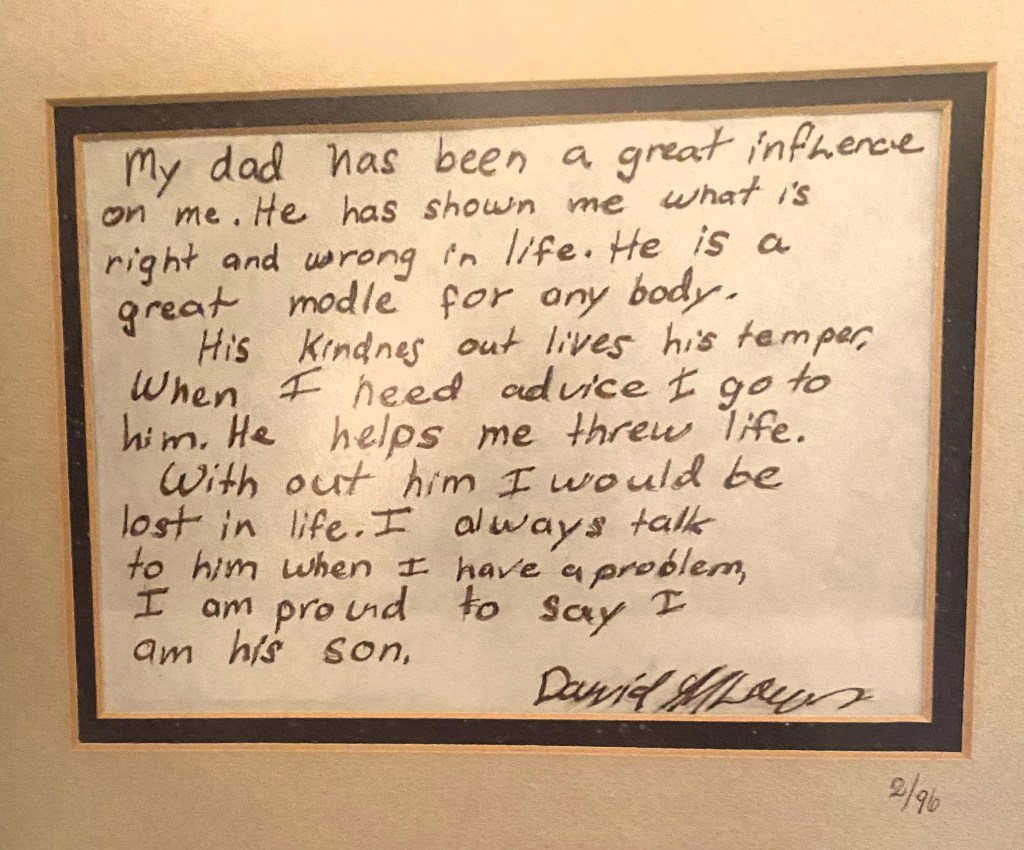
“What our kids say (or, in this case, write) can really impact us,” he said. “Let me show you something.” He led me into the dining room, a weird place for this, but there it is. He showed me something I wrote for a school assignment when I was fifteen (pictured above). A year below where Kat is now, fifteen. This simple little sheet of paper was something my Dad had paid attention to. “For decades now,” he said. “I have been trying to live up to your words on that paper. I haven’t always been capable, but it has been my goal. To be the man that you thought I was. I wanted you to feel proud that I was your Dad.”
He had paid attention to what I wrote and listened well. Advice from a fourteen-year-old isn’t something the world often listens to. Teenagers are teenagers after all, but I am really trying to listen to my own teenagers; my own kids, when they talk, write, sing, etc. They are speaking to me, in the best ways they know how. It isn’t always respectful. It isn’t always super clear, but I am listening. You may not believe the teens around you are listening. But, if you take the time to listen, they will too. Let me tell you a quick story.
I don’t remember how old I was, but it was around the time I wrote that thing about my dad. I wanted to play basketball. It’s crazy because I am about as talented at sports as I am at being a rocket scientist. That means not at all. Anyway, my way of shooting a basket was to do a granny shot. If you don’t know what that is, think of the stupidest way to shoot a basketball, and then double it.
Video of a “granny shot” in action.
Now, the kid in that video makes this look like it’s a great idea… it is not. Be prepared to be made fun of a LOT if you happen to try to play basketball this way. Trust me, I know from experience. I argued back and forth with my dad about this. I tried to tell him that I knew what I was talking about. That this was how I knew to shoot the ball and that it was fine. He disagreed. In fact, he eventually got really frustrated with how I wasn’t listening to him and gave up. Telling me that if I wasn’t going to listen, then I could just do it any way I wanted. We had begun yelling at each other, fighting about how to play basketball.
He went inside the house. He vented to my Mom about how I didn’t listen to him. He was frustrated that I acted like a teenager who knew it all. He was very frustrated with me. An hour or so later though, my cousins came over to play and what did we decide to do? Play basketball of course. My Mom went over to the window and cracked it open as played. Then, she called my Dad over and made him sit down to listen to us. As my cousins and I played the game, I repeated my Dad’s words to them, verbatim! I was also doing my best to shoot the ball exactly as my Dad has shown me.
As a teen, I was too stuborn to admit he was right to his face, but I listened. As the handwritten note above states, I respected my Dad. I listened to him even when, in my teenage angst, I may not have admitted it to his face. So my fellow parents out there, your teens are listening. Your kids in general are listening. Are you taking the time to listen to them speak? I am trying and it is worth your time to do the same. If you listen, they will listen.
I’ve concluded that there is apparently something deeply unlikeable and untrustworthy about me. There is a reality of who I am that others must see, that I do not. Maybe those who truly care about me know. Maybe they have tried to tell me. Maybe they have tried to help me understand, and I have stuffed cotton in my ears and closed my eyes to their kindness. Maybe I have been willfully blind to my own shortcomings. Maybe I still am.
For the last couple of years, I had been through over twenty job interviews and had had no luck at all until just recently. For over ten years, I have been nominated for a leadership position but have never been voted into that position. And I don’t blame the voters; I believe they are voting truly and in good faith! It is myself that I see as a failure. It is an observation of my own persona. I would say I am lazy, but really, I don’t think that is it. I value being able to live with the money I make, but I struggle to see my efforts as valuable.
So, is this a depression, then? I assume so. I have heartache and am searching for passion and purpose. I would like to be a true writer, but I have never felt as though I am good enough to truly be called by the title author or writer. Am I proud of my books and writing? Yes, of course, but in the back of my mind, I continually downplay them and question their validity.
I love my family; they give me unending joy and satisfaction, but I feel inadequate at the task of being a father and husband as well. I wonder if this inadequate feeling comes from a lack of my ability to fully support them financially, but then again, maybe it goes beyond that.
I seek purpose in God but feel a failure there as well. I wrote a book in an attempt to harden my devotion and zeal for Christ, but even in all I have done, I feel a failure. As if I should have done more or not done enough. I understand there is continual growth in Christ, and I do see that growth within myself, but then I look back on where I was before. Back then, I thought I was wise, but truly, I was very foolish and didn’t know it. So how am I to believe I am now wise, knowing in ten years I may look back and see my current foolishness for what it is?
They call it a mid-life crisis, but the crisis is a realization of a lifelong inadequacy. How do you make a life worthy? How do you understand what you can change to make it better? There are some things you are locked into, some things that cannot be changed. How do you turn listlessness into motivation and purpose? I don’t trust myself to know that my answers are right.
So what am I to do? Am I meant to meander along, continuing to live in a miasma of stale living? Should I continue to be burdened by a raw and open self-inflicted wound to my ego? Or should I accept the truth, accept the truth that I am not good enough? That I am not worthy of praise? That I am not enough? Because I will never be enough. I can’t do it.
However, when I am weak—because I am weak—He is strong. When I am not enough—and I am not—He is enough. When I am lacking, and I am lacking, He is full and true. When I am down, and I have been down, He is more than enough to raise me up. When I am through with giving effort, and at times, I feel as though I am through, He is there to carry me on.
I am not enough, and I never will be. The reality is no one is enough. No one is truly able. We are all frail and slowly dying, the conscious dead. It is only through the light of Christ we become anything else. In truth, we are only ever meant to be the marionettes of God, allowing the Master to bring us to life and give us His purpose. Am I enough? Yes, but only because I am His. Do I have meaning? Yes, but only the meaning He brings to life within me?
I am the resurrected corpse, Lazarus. I’m stinking but smelling better as the light hits my gaunt face. Undecaying from my death – being brought back into the world of the living, color returning. It is not I who now lives, but Christ who has chosen to live within the destitution of my life, giving it a robust and full justification.
Nicodemus, the Librarian of Riggleman Manor, is determined to save the Queen. Having obtained an Opus, he and his fairy, Vellum, are headed to the police station in the city of Charles Gate, to see if they can help.
My wife, Alicia was working in the two-year-old Sunday School room this past Sunday. Normally, that means I am on my own for the main service. I will either sit with friends, my mom and dad, or alone in the back. This Sunday, though, I was in a bad mood. I had a cloud hanging over my head that was causing me some severe melancholy. Over the summer, our church goes from their normal two services on Sunday morning to a single service.
They do this because attendance is sporadic during this season due to travel and vacations. However, it can also lead to some full pews as well. So, the ministry staff asked for some select regular members to sit in the choir loft behind the pulpit to make room in the pews. My family was asked to participate. So, for the last couple of weeks, we have been sitting behind the Pastor as they gave their sermons.
Today, though, I wanted to be alone. I wanted to sit alone and wallow in my bitterness. Tromping up the steps, I went to the balcony. It wasn’t long, though, before I was spotted. Our lead Pastor happened to be walking past the balcony door (his office is near by) and stopped.
“Hey, Michl! Are you coming to sit up front this morning?” He asked.
I paused, trying to think up a good excuse. “I… well, Alicia is in twos this morning, so I was just going to sit up here.”
“She needs tube’s? Like in her ears?” He said, mishearing me.
“No, no, she has the ‘twos’ Sunday School room this morning,” I clarified, emphasizing the word.
He squinted his eyes, seeing right through me. “Come sit with me up on the platform!” He said, smiling.
Giving up the argument I knew wouldn’t stand any form of scrutiny, I followed him up on the platform and sat in my regular space, minus Alicia. The Holy Spirit immediately began working on me as the music began. I knew from the moment the songs started that I would go to the altar.
The weight on my heart, that hidden issue that had taken hold of my mind, was not just apparent but hammering on my soul. Let me rephrase; the Lord was speaking to me. The sermon today was on allowing God to give you rest. Before the sermon was even preached, though, God called me to lay down the burden and give it to him.
There were arguments in my mind. The same old lies the Devil tells every Christian before they head to the altar. I’m sure you know them.
You will look foolish.
People will wonder what is wrong with you.
Only people who are actively sinning go to the altar.
This just proves how weak you are.
You just feel like you need to go to the altar because it’s what people do in church.
It isn’t God speaking to you, it’s just your own mind.
I saw the lies for what they were, but it took me until the third song to muster up the gumption to actually move my feet. As I did, I actually stumbled a little bit walking down from the loft. It was embarrassing. I had to walk between the band who was still singing.
My mind foolishly made up thoughts for the people in the congregation. I wondered if they thought I was going to sing. They wouldn’t have appreciated that if it were true. Making it to the closest edge of the altar, I knelt and continued the crying I had started in my seat.
You might wonder if the Lord solved the issue I had been weighed down with. Did I hear God’s voice in my ear or mind, providing me with the solution to that problem? No. He didn’t offer a solution. There was no magic vending machine that gave out answers. Life and, in turn, life in Christ is not often that simple. No, in this case, as the sermon would soon lay out in front of me, He provided me rest—a calming of my heart and mind. It was what I needed.
My own desires and thoughts; my own idea to be alone was not what was good for me. God had other plans for me. Plans to prosper me and give me rest. He used one of our ministers to lead me out of my own darkness and into what God had planned for me. It was a little uncomfortable. It was a little embarrassing. I didn’t feel safe; I didn’t feel comfortable. I felt a little like Susan from The Lion,the Witch, and the Wardrobe when she was talking to Mrs. and Mr. Beaver.
Is he quite safe? I shall feel rather nervous about meeting a lion.” “That you will, dearie, and no mistake,” said Mrs. Beaver. “If there’s anyone who can appear before Aslan without their knees knocking, they’re either braver than most or else just silly.” “Then he isn’t safe?” said Lucy. “Safe?” said Mr. Beaver. “Don’t you hear what Mrs. Beaver tells you? Who said anything about safe? ’Course he isn’t safe. But he’s good. He’s the King, I tell you.
God is like that, I think. He’s not safe, and he’s not comfortable, but he is good.
D. Michl Lowe
P.S. Thank you, Pastor Kent, for allowing God to work through you.
I’ve written about it previously, but Chrono Trigger played a large part in my childhood. It was my first real RPG and the first game I played with my buddy all night. It was short enough that we could finish it in nearly two sittings, so over the course of the weekend, we were able to beat the game. My buddy didn’t even own the game; he borrowed it from a friend. However, I was hooked. That year, our local videogame rental store, Hollywood Video, was cleaning out its old stock and bringing in new. My birthday was soon, and my mom saw that this game I loved was being sold for cheap at the rental place and bought it for me. It was beat up, but it came with the box and manual.
Nowadays, paying the amount she did for it would be unheard of. I think she might have bought it for twenty dollars at the time. The current going price for a complete in-box with the manual version of the SNES version of Chrono Trigger is around $792.40. Either way, though, I think I valued the gift. It was my favorite game. I played it religiously, playing “new game +” after “new game +.” I grew to know these characters. I cared about them; they were my friends, and I invested in their little virtual lives.
That might sound odd to some people. I say that I cared about them and that they were my “friends.” Why would I feel that way about characters that are not real? Isn’t it the same as reading a book or watching a movie, I hear some of you saying? No, it’s not. The idea of the silent protagonist in this game, Crono, allows the player to insert themselves into the game as a character alongside the other characters. Because Crono doesn’t have any lines himself, he becomes an avatar for the player to place their own will, emotions, and decisions into the game.
Spoilers below for the latter half of Chrono Trigger: you have been warned!
This form of control over the story, even though it is mostly artificial in most cases, allows the player to become more emotionally engaged and involved in the story. The characters are no longer characters outside of the player but meaningful companions with whom the player has gone on adventures with and, in some cases, even died with. As most of you reading this article now know, Crono dies near the end of the game, sacrificing himself in an attempt to save the other companions.
Suddenly, you, the player, are no longer in the story and can witness the sadness and despair your companions feel at the loss of you. This brings about an interesting emotional journey. Like in The Adventures of Tom Sawyer, you are allowed to see that sadness. You become a witness at that point. You are suddenly thrust out of the story and that disconnect makes you feel in some ways as if you have truly died in some way.
It might not be clear from just my writing, but I am, in fact, a man, a 42-year-old man. So my perspectives here are from a decidedly masculine perspective. Several years ago, I wrote a book entitled Men of Valor, a devotional for Christian men. In that book, one of the things I discussed was how men often gravitate toward video games in which they can be the hero, which honestly is many. Men naturally desire to be heroic in some way. Our naturally competitive and aggressive tendencies allow us to, at times, do amazing things. That is in no way meant to diminish the feminine contribution to life; I am just addressing the masculine.
However, life – at least in modern American society – does not often allow for heroic, life-threatening, and life-saving deeds. So, men have turned to artificial means to satisfy those desires. A videogame allows them to experience saving a town from a dragon or, in some more light-hearted situations, to save the Princess from Bowser, even if she is often in another castle. This might be an artificial experience, but the emotions are real.
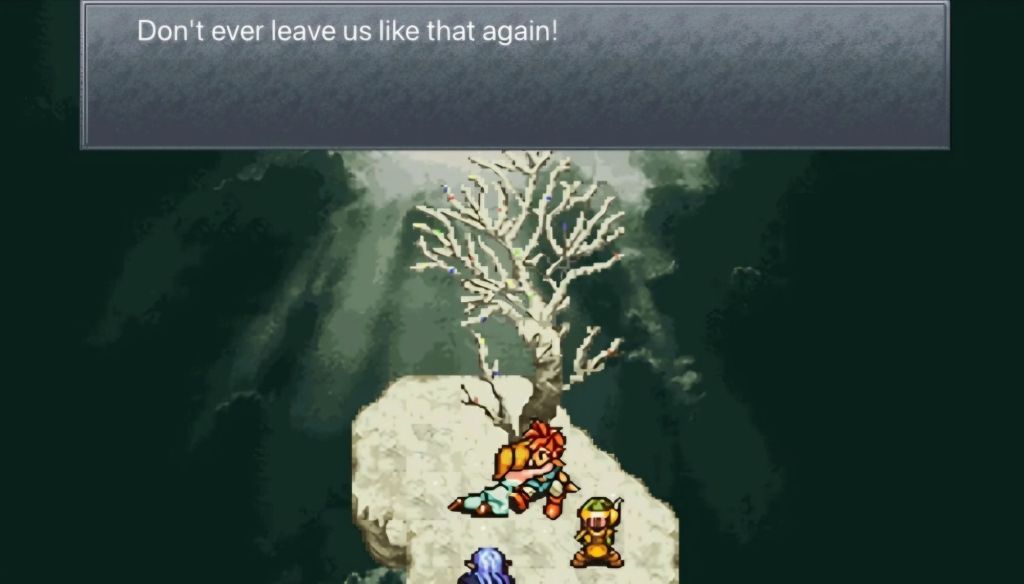
So that brings me back to Chrono Trigger. After Crono dies, you have two choices, you can choose to leave Crono dead or go on the quest for the Chrono Trigger and use that device to stop time right before Crono is destroyed and save him. You can then replace him with the Crono doll to make it appear as if he was destroyed but really saving him. If you choose to save Crono, and you have Marle (Crono’s love interest), you get the emotional scene pictured above. Depending on who you bring in the party with you to save Crono, the scene changes, but I always take Marle; it just feels right to me.
That hug, as Crono lies back on the tree, brings me to tears every time. It’s a scene that we humans often wish could happen in our real lives—the ability to bring a loved one back from the dead. The player feels that emotion more keenly because we are part of the story. We are Crono. It is not this character we are watching go through something emotional; it is us. We are part of the story.
I know this happens to some degree in all stories, but in video games, and especially in games with silent protagonists like Chrono Trigger, we are the characters, so I would argue that, at times, we feel these emotions more deeply than in a typical entertainment medium. Growing up as a pre-teen, playing this game for the first time it allowed me to explore more mature emotional states and practice the emotional states of loss, love, and sadness in meaningful ways.
So yes, I cry almost every time I play through Chrono Trigger, which is about a once-a-year ritual for me. As a man, there are a lot of times when showing emotions is not acceptable to us. Not because of societal pressures or culture but because of our desire not to allow our emotions to impact those we care about. Showing weakness as a man can often create a feeling of insecurity in those we love. Sure there are times when it’s okay to see Daddy cry, but we often feel like those times should be few in number so as to create stability in our families. Daddy is strong; he can handle the bad times because he is tough. It might not always be correct, but it is how many men feel.
But in the safety of my own little game room, I can allow myself to feel. I can allow myself to connect artificially to my companions in a way that allows those emotions. It allows a man, or anyone really, a free space to feel and be vulnerable. I would argue that there are other good options for men to do this in real life, too, but having this sort of outlet for our feelings is important. I remember when I was a kid, there was a lot of talk about how video games bred violence and social isolation. I believe that view was false. I believe that video games, can and do allow people a safe environment to practice emotional stability and understanding. I don’t have research to back that belief up, but it is my personal belief.
Can it be a problem? Sure, like anything else, we can get overwhelmed by our fantasies and allow them to take over reality. That is a danger. But like many other things in life, I don’t believe this is the norm. I think that, for most men, video games are a way for us to explore ourselves and our relationships. For many of us, the stories and adventures we have shared in this form of entertainment is a meaningful part of our lives.
For me, I always bring Crono back from the dead. Because for me, it’s as if I have been brought back to life each time. I have been given another chance to save the world. I have been given the opportunity to continue to be the hero, even if it is only in a pretend world. In that pretend world, I mattered. In that pretend world, I was a hero. In that pretend world, I was able to create meaningful change. And if I can do it there, maybe I can do it in the real world as well. Maybe I can… and maybe you can too.
Brandon Sanderson, author of books like The Mistborn Saga and the Stormlight Archive Series, is a literal force within the Fantasy genre. He is a machine of creativity and pushes out books faster than his fan base can read. On top of all that, you might think that writing at a pace like that makes his books seem rushed, but they don’t. Brandon’s books are carefully crafted universes with complex characters and detailed plots. In short, he is currently one of my absolute favorite authors. So, let me talk about what I consider his worst book and why I love it so much!
I am nearing the end of Brandon’s first published novel (I think), Elantris. Published in 2005 by Tor Books, this entry into the Cosmere, Brandon’s connected universe of books, is widely regarded as Brandon’s entrance into the world stage as a successful author and his weakest entry overall. Overall, much has been said about the book, but this is not a critique of Elantris as a novel. As is often the case with authors, I constantly compare myself and my writing to those I read.
I have written about it in the past, but authors are notorious for believing their own writing is no good, that no one else will want to read the book they write, or that they are not as good as such and such an author. I am guilty of this, as I am sure many others reading this are as well. Comparison is a natural tendency within writing circles. And as most prolific writers are also prolific readers, it makes sense that they would draw comparisons between themselves and others.
Is this a bad thing? No, of course not. Reading other’s writings and looking at their style, character progression, and world-building is a great way to improve your craft. Reading has opened my mind to the possibilities of creative magic and the possibility of writing. I know this is an old reference, but the video game Myst was very popular back then. The creators of that videogame series, Rand and Robin Miller, along with author David Wingrove, wrote three fantasy novels about it, compiled here as The Myst Reader.
In those books, the characters write in books that bring the worlds they describe to life and allow the person to travel to the worlds they write about. What an interesting analogy to real-life authors and the worlds they create for us to read about. It allows us to travel anywhere the author’s imagination can dream up for us. A gift that continually keeps giving as more and more authors dream and write.
So, why do I say that Brandon’s worst book gives me hope? I started reading Brandon with Mystborn and moved on to the Stormlight Archive soon after. Since then, I have read most of the books of the Cosmere and have come to absolutely love these characters and stories. That said, as I started my first journey into the world of Elantris, I found the characters, magic, and even the world to be a little flat in comparison. Not that the story wasn’t good; it was. It’s not that the characters weren’t well-developed or fun; they were. Not that the magic system wasn’t complex; it was. But, compared to Brandon’s other stories, there was no comparison.
Whenever I read through my own stories, I find all the mistakes and sections I wish were better written. As the author, I am my worst critic. I read things like Oath Bringer, and see the complex characters, detailed plot and completely unique world, and feel like my own characters are flat. My own plot is boring and my own world just isn’t unique enough. If there arent giant crabs attacking magical knights, its just not good enough, but then I read Elantris.
I read Elantris and saw the beginnings of a fantastic author. This first story is a beginning, a stepping stone to what I feel is the greatness of one of my favorite authors. Because of that, I feel like there is hope for me. There is hope for the beginning author, the unpublished, and those still struggling. I see Prince Reoden through his ordeal and understand that my ordeal of being a new author is the same: struggling to find my own magic, my own world, and my own characters. They can be great, even in the beginning phases of creativity. It gives me hope to see Brandon Sanderson’s beginnings and know that I can be there as well. Thanks for your beginnings, Brandon. Thanks for giving us your initial struggles so that we can recognize those struggles in our own writing.